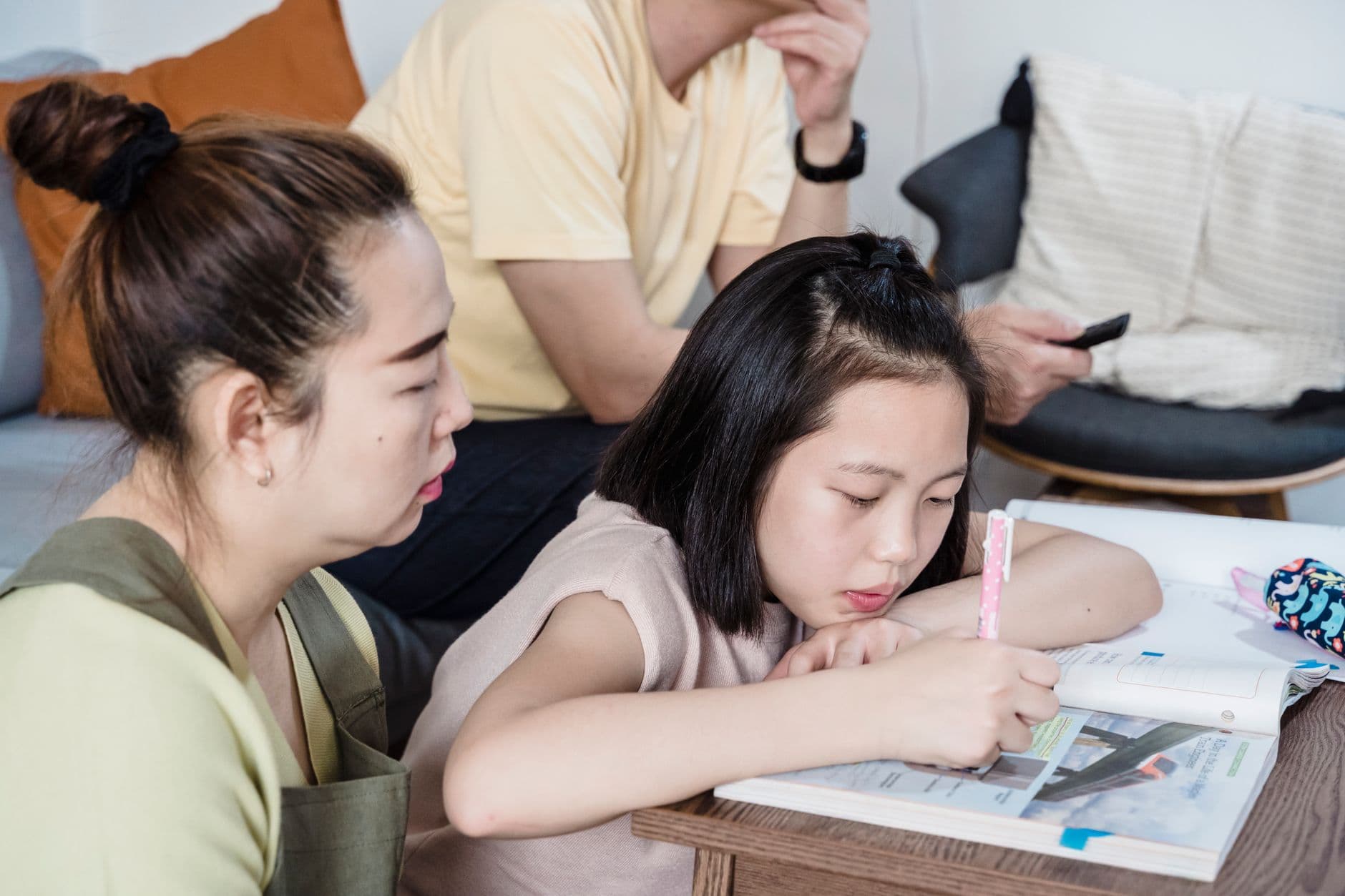
Your child's teacher has mentioned that reading is slow to click, or you have watched your child guess at words, cry over spelling homework, or count on their fingers long after their friends have stopped. This page explains what a learning difficulty is, the signs that show up in Prep to Year 2, what else can look the same, and who to talk to first.
A slow start is common, and support should start now
"Learning difficulty" is a broad term. It means a child is having trouble learning, and the Victorian Government lists many possible reasons. A child may have missed a lot of school, or not yet had the teaching they need. The Victorian Government says children in this group are likely to improve quickly once they get extra support and targeted teaching.
A smaller group has a specific learning disorder: dyslexia, dyscalculia, or a disorder of written expression. The Queensland Department of Education describes these as lifelong and brain-based, in children of average or above-average intelligence. The difference is that the trouble continues even after good, targeted teaching.
You do not need to know which group your child is in before you act. The South Australian Department for Education says help for a struggling reader should start as soon as anyone raises a concern, not after a formal diagnosis. In Queensland state schools, the Reading and Writing Centre says schools support students with reading and spelling difficulties whether or not they have a diagnosis.
If you are worried, that is enough reason to ask. NSW Health's advice for young children is to act early when you have a concern. If your child stops doing something they could do before, such as reading words they knew or talking the way they used to, see your GP soon rather than waiting for the next school report.
Sources: Victorian Government (common signs of a learning difficulty); Queensland Department of Education (learning disabilities); South Australian Department for Education (supporting children with dyslexia); Queensland Reading and Writing Centre (dyslexia); NSW Health (learn the signs, act early).
What the terms mean, and why sources use them differently
You will see several terms on school letters and websites. They overlap, and Australian sources do not all use them the same way.
| Term | What it usually means | Where you will see it |
|---|---|---|
| Learning difficulty | Trouble learning, for any reason. Often closes with extra support. | Schools, Victorian Government, Raising Children |
| Learning disability | A learning difficulty that does not respond to appropriate teaching and needs ongoing adjustments at school. | Queensland and other state education departments, NCCD |
| Specific learning disorder | The diagnostic name a psychologist uses for an ongoing problem with reading, writing and/or maths. | Psychology reports, the Australian Psychological Society |
The Nationally Consistent Collection of Data (NCCD), an Australian Government education site, uses "learning difficulties" only for outside causes such as absence or teaching gaps. The Victorian Government uses it as an umbrella that also covers dyslexia. If a report uses a term you are not sure about, ask the teacher or psychologist which meaning they intend.
Sources: Victorian Government (common signs of a learning difficulty); Queensland Department of Education (learning disabilities); NCCD (learning differences, difficulties and disabilities); Raising Children Network (learning difficulties and disorders).
The three types of specific learning disorder
The Queensland Department of Education names three specific learning disabilities. Each one affects a different area.
- Dyslexia affects reading and spelling. The Queensland Department of Education describes it as a language disability, caused by a difference in how the brain processes language.
- Dyscalculia affects understanding numbers and quantities and doing maths.
- Written expression problems affect spelling, punctuation, grammar and putting ideas into sentences. Queensland and Victoria include these under dysgraphia, along with trouble forming letters. Raising Children Network treats dysgraphia (handwriting) and a disorder of written expression as related but separate. Ask the assessing psychologist which term they use.
These often come together. The Victorian Government says dysgraphia often occurs with dyslexia, and Raising Children Network says it is common for children with dyscalculia to also have dyslexia or ADHD.
Sources: Queensland Department of Education (learning disabilities); Raising Children Network (dyscalculia; written expression); Victorian Government (common signs of a learning difficulty).
Signs teachers and parents notice in Prep to Year 2
The Australian Psychological Society says a parent or teacher most often first suspects a learning difficulty in the early years of primary school, once classroom reading, writing and maths begin. Raising Children Network says signs of dyslexia are often picked up in the first 2 years of school.
Use this list to describe what you see when you talk to the teacher or GP. It is not a test, and a child does not need several signs before you ask.
Reading and spelling
- Trouble learning which sound goes with which letter
- Guessing at words, or trying to memorise them by sight, instead of sounding them out
- Trouble blending sounds into a word (hearing c-a-t and not getting "cat")
- Trouble hearing rhymes, or picking out single sounds inside a word
- Spelling common words wrong again and again
Writing
- Struggling to get ideas onto paper, even when reading is going well
- Trouble holding and controlling a pencil
- Saying they have nothing to write, or that they hate writing
Maths
- Trouble recognising and reading numbers aloud
- Losing track when counting, or relying on fingers or tally marks for small sums
- Trouble counting on from a number other than 1, or counting in 2s and 5s
- Needing to count a small group of objects one by one instead of seeing "three" at a glance
How your child feels about school
- Avoiding schoolwork or homework, or getting upset about it
- Worry, sadness or anger about going to school, including bad dreams or anxiety while getting ready in the morning
The Victorian Government notes that reversing letters such as b and d is common in the early years. It becomes a concern if it continues into the middle and later primary years.
Sources: Australian Psychological Society (understanding specific learning disorders); Raising Children Network (learning difficulties and disorders; dyslexia; dyscalculia; written expression); Queensland Reading and Writing Centre (dyslexia); Victorian Government (common signs of a learning difficulty).
Other things that can look like a learning difficulty
Before a psychologist diagnoses a specific learning disorder, other causes are ruled out. The Australian Psychological Society lists sensory problems such as poor vision or hearing, emotional problems, limited access to schooling, and intellectual disability. The Royal Children's Hospital's guidance for GPs adds anxiety, auditory processing problems, language disorders and ADHD.
That means these checks usually come first or alongside:
- Vision. Raising Children Network says most optometrists bulk bill eye tests for children with a Medicare card.
- Hearing. Your GP can refer your child to an audiologist for a hearing test.
- Spoken language. A child who has trouble understanding or using spoken language may need a speech pathologist's assessment. The South Australian Department for Education recommends one when a child has speech or language difficulties.
- Attention and worry. ADHD and anxiety can sit alongside a learning difficulty, or make school harder on their own. Raising Children Network says a child can feel anxious about maths without having dyscalculia.
- Time at school. Missed school leaves gaps. The Queensland Department of Education says these gaps get smaller once extra support is in place.
Sources: Australian Psychological Society (understanding specific learning disorders); Royal Children's Hospital Melbourne (learning difficulties pre-referral guideline); Raising Children Network (learning difficulties and disorders; optometrist; dyscalculia); South Australian Department for Education (supporting children with dyslexia); Queensland Department of Education (learning disabilities).
What the Year 1 Phonics Check can tell you
In NSW and Victorian government schools, every Year 1 child does the Year 1 Phonics Check in weeks 4 to 6 of Term 3. Your child reads 40 words aloud to a teacher: some real words and some made-up words. It takes about 10 minutes or less.
The NSW Department of Education says the check helps teachers find children who are struggling to learn to read early, so they can plan support. If your child's school runs the check, ask the teacher what your child's result means and what support will follow. Other states and schools may use different checks, so ask what your child's school uses.
Sources: NSW Department of Education (Year 1 Phonics Screening Check); Victorian Department of Education (Year 1 Phonics Check).
Who to talk to, and in what order
- Your child's teacher. Book a time to talk; you do not need to wait for a parent-teacher interview. Ask what the teacher has noticed, what support the school can offer, and whether your child can have an individual education plan. The Royal Children's Hospital recommends starting with the classroom teacher or school leadership.
- Your GP. The GP can check for health causes, and refer your child to a paediatrician, psychologist, speech pathologist or audiologist.
- A speech pathologist, if the concern involves spoken language or early reading skills such as knowing the sounds in words. The Victorian Government lists these early literacy skills among the things a speech pathologist can assess.
- A psychologist, for a formal assessment. The Australian Psychological Society says a diagnosis of a specific learning disorder needs a formal assessment by a psychologist using standardised tests. The South Australian Department for Education suggests a psychologist with educational or developmental training.
Your child's school may be able to arrange a psychologist or speech pathologist through its student support services. The South Australian and Victorian education departments both describe this. The South Australian department says the school asks your permission first.
Why a diagnosis can take time
A psychologist looks at whether the difficulties continue after a child has had the right teaching. For dyslexia, the South Australian Department for Education says a diagnosis should only be made after at least 6 months of appropriate reading teaching. Its dyscalculia fact sheet describes difficulties lasting at least 6 months even with targeted help.
This describes what the psychologist looks for. It is not a reason to wait. Support at school should start now, and you can talk to the teacher and your GP now. If your child loses skills, becomes very distressed about school, or you are worried, go back to your GP sooner.
If your child needs a speech pathologist or psychologist outside school, you can find speech therapy near you and compare services that see school-age children.
Sources: Raising Children Network (learning difficulties and disorders); Royal Children's Hospital Melbourne (Learning Difficulties Clinic); Victorian Government (deciding if your child needs a formal assessment); Australian Psychological Society (understanding specific learning disorders); South Australian Department for Education (supporting children with dyslexia; dyscalculia fact sheet).
What a private assessment costs
A private assessment is paid by the family. Raising Children Network and the Victorian Government both say this. The Australian Psychological Society says you might get a Medicare rebate if your GP refers your child to a psychologist, and Raising Children Network says private health insurance may also cover part of it.
Raising Children Network also says many universities run psychology clinics where supervised postgraduate students assess children, usually for less. Ask the clinic about the waiting time and the cost before you book.
Sources: Raising Children Network (learning difficulties and disorders; dyslexia); Victorian Government (deciding if your child needs a formal assessment); Australian Psychological Society (understanding specific learning disorders).
What support looks like at school and at home
At school, support for reading centres on explicit, step-by-step teaching. The Australian Education Research Organisation says phonics and awareness of the sounds in words should be taught explicitly and directly in the early years of school. The Queensland Reading and Writing Centre says children with dyslexia learn with the same systematic synthetic phonics as other students, but may need more time and repetition. Schools may offer small-group programs with a learning support officer.
At home, you can:
- Keep reading with and to your child, with books at the level they can manage
- Encourage sounding words out rather than remembering how a word looks
- Play counting and number games with younger children
- Ask the teacher what your child is working on, so home practice matches school
Be careful with programs that promise a cure. The South Australian Department for Education warns that a more expensive program is not always a better one, and the Australian Psychological Society says to look for treatments with research evidence behind them. A specific learning disorder is also a disability under the Disability Discrimination Act, which means schools must make reasonable adjustments for your child.
For more on how children learn speech sounds before school, see the guide to playing with sounds. If you want to know when other signs need a professional, the guide to when to seek help covers each area of development, and when to see a child psychologist explains the Medicare pathway.
Sources: Australian Education Research Organisation (introduction to the science of reading); Queensland Reading and Writing Centre (dyslexia); Raising Children Network (learning difficulties and disorders; dyslexia; dyscalculia); South Australian Department for Education (supporting children with dyslexia); Australian Psychological Society (understanding specific learning disorders).
Your next step this week
Book a time with your child's teacher, and bring the signs you have noticed. If the school agrees there is a concern, ask what support will start now, and book a GP appointment to check vision and hearing and talk about referrals.
The learning difficulties hub brings together services for children who are struggling at school, and the psychology services page explains what a child psychologist does. When you are ready to book an assessment, find a child psychologist near you.